There are no items in your cart
Add More
Add More
| Item Details | Price | ||
|---|---|---|---|

Spine & Musculoskeletal Health Guide
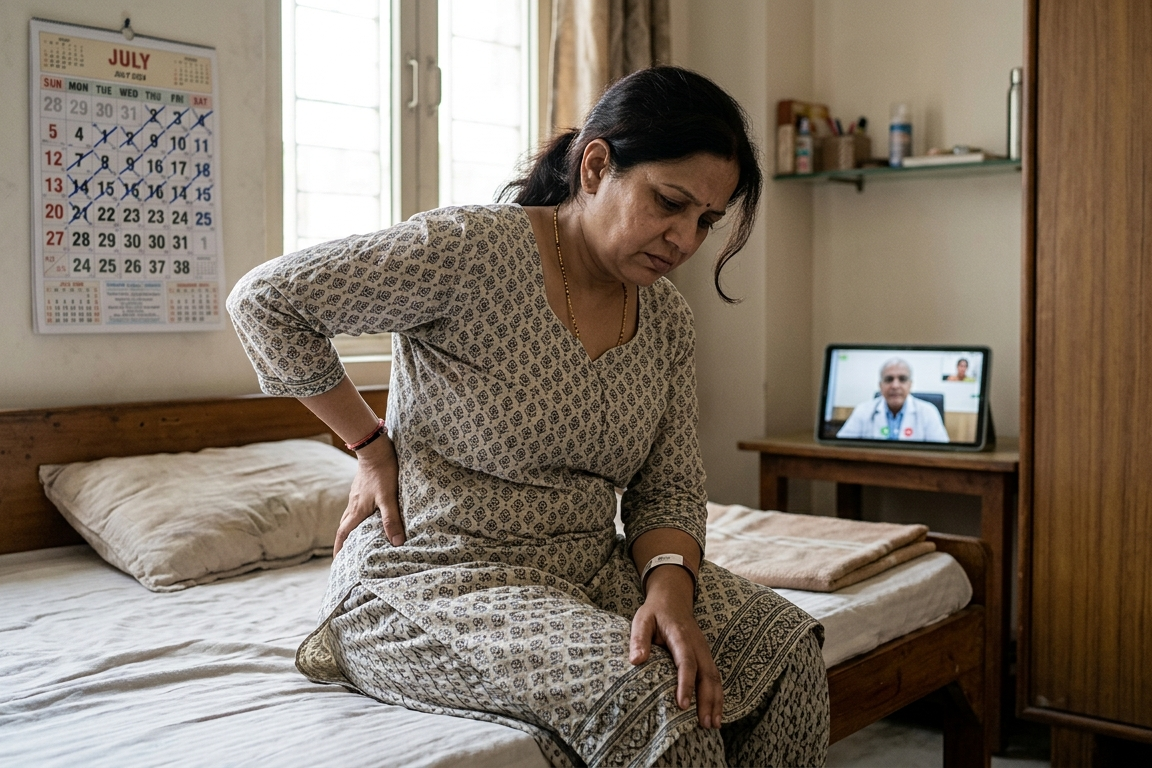
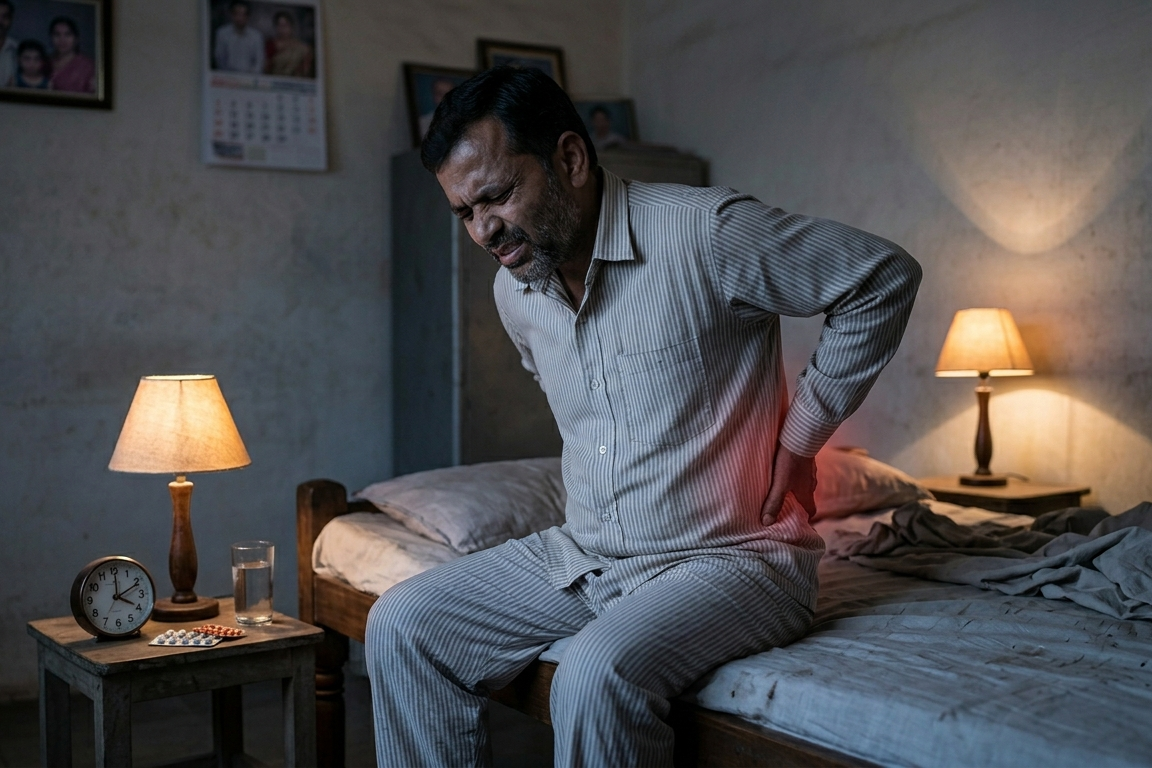
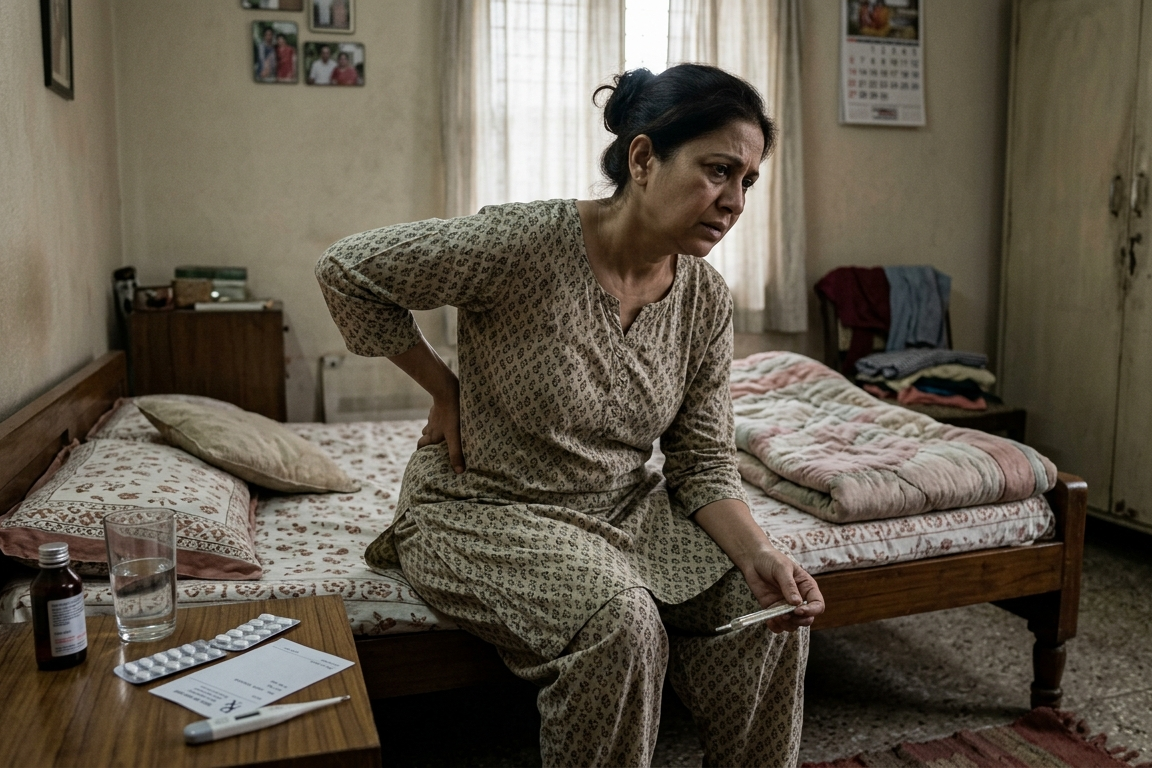
Honestly, almost everyone deals with significant back pain at some point — about eight out of ten people, in fact. For some, it comes and goes. For others, it lingers in the background, quietly shaping how they sit, walk, sleep, and live. It’s so common that people treat it like part of life — just something to tough out instead of something you can actually fix.
But back pain isn’t just an annoying fact of modern life. It has real causes, and most of the time, it can be treated. Maybe your pain hit you after lifting something heavy. Maybe it crept in over months of desk work. Or maybe, it shoots down your leg and feels nothing like a simple muscle strain. Whatever it looks like for you, understanding what’s really going on — and getting the right advice — can restore your movement, your sleep, and the quality of your life.
Not all back pain is created equal. Knowing when you’re dealing with ordinary muscle soreness — and when the symptoms need medical attention — really matters. Here’s what to look out for:
Most back pain improves within a few weeks. If it’s sticking around with no sign of improvement after six weeks, it’s time to see a professional.
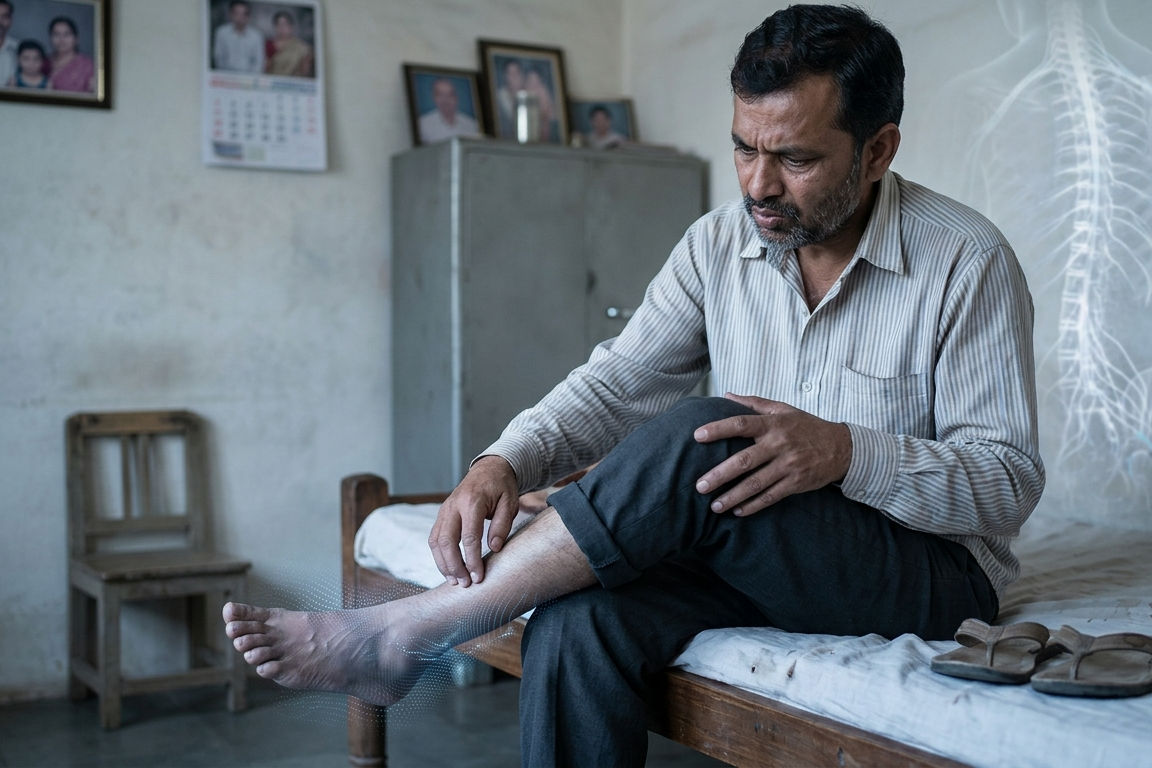
Pins and needles, numbness, or weakness in your legs or feet could mean the nerves coming from your spine are involved.
The truth is, the vast majority of back pain — even severe pain — isn’t caused by anything dangerous and gets better when treated the right way. Fear and avoiding movement actually make things worse over time. With correct guidance, most people recover fully and get back to the activities they enjoy.
One last thing: if your back pain comes with sudden loss of bladder or bowel control, numbness in the groin or inner thighs, or your legs suddenly go weak, go to emergency care right away. These are signs of cauda equina syndrome — it’s rare, but serious, and needs same-day surgery.
Walking is one of the best things you can do when your back hurts. It keeps your joints moving, brings blood flow to the discs, and stops the muscle stiffness that comes from too much rest. Start short and comfortable; build up as you go.
Your deep abdominal and back muscles work like a natural corset to protect your spine. Gentle core exercises — think pelvic tilts, bridges, even modified planks — give real support and cut down how often and how badly your back hurts.
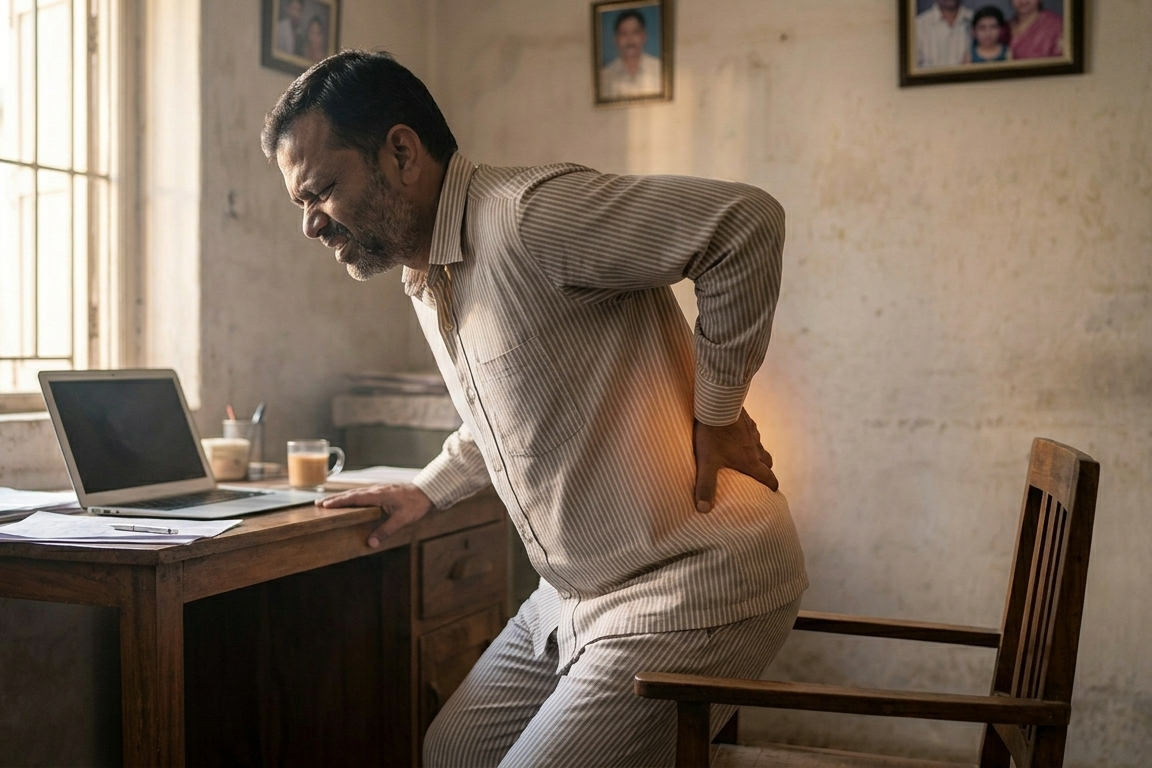
Slouching at a desk or staring down at your phone puts serious strain on your spine. Adjust your chair and screen, and stand up every 45 minutes. These small fixes go a long way toward easing persistent back tension.
Stress keeps you tense, especially in your back and shoulders. Relaxation, mindfulness, and breathing exercises really help release this tension. These are proven techniques in managing chronic back pain.
If home is a place where youYour back is built to move. Most of the time, gentle and steady movement is the best medicine.r child feels okay falling apart, you’ve given them the best foundation for growing strong. Connection always comes first.
A lot of people try to handle back pain alone. Rest, painkillers, hope — and sometimes it gets better. But if your pain sticks around, keeps coming back, or limits what you can do every day, getting professional help can be life-changing.
Simply living around your back pain — constantly adjusting, avoiding, managing — isn’t really living well. With the right assessment and treatment plan, most people regain the life that back pain slowly stole from them.
Book a back pain consultation and get a clear, personalised plan to reclaim your mobility and comfort.
Confidential · Compassionate · Available Today
 Launch your Graphy