There are no items in your cart
Add More
Add More
| Item Details | Price | ||
|---|---|---|---|

Child & Adult Wellness Guide
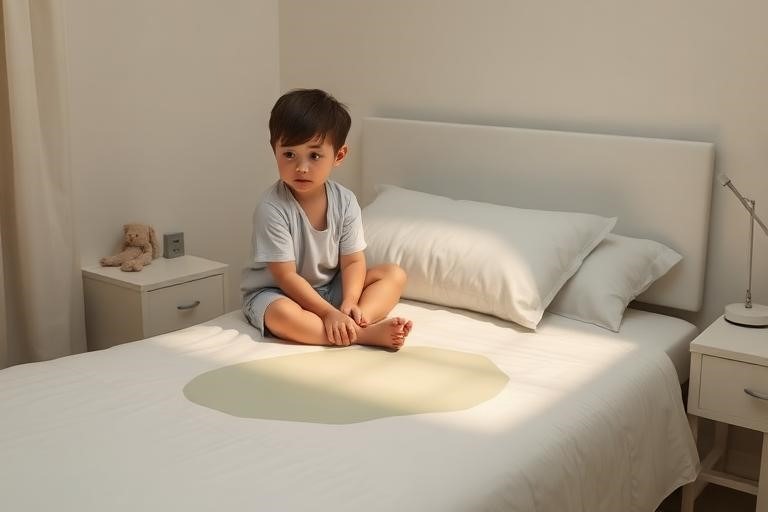
Bed wetting (the medical name is nocturnal enuresis) affects millions of children and, surprisingly, quite a few adults too. The hard part is, people don’t talk about it. Most just keep it quiet, dealing with the stress and worry behind closed doors. But you know what? You’re not alone, and you don’t have to figure it out by yourself.
For kids, bed wetting is often just another stage to get through. But if it keeps happening after a certain age, gets more frequent, or returns after a dry spell, it’s worth taking a closer look. For adults, it’s always something to mention to your doctor. Usually, once you know what’s causing it, you can treat it.
Bed wetting isn’t one-size-fits-all. Here’s when you need to pay attention:
Occasional accidents are typical in young kids, but regular bed wetting past age 7 should prompt a chat with a specialist.
If bed wetting comes back after at least six dry months, that can point to stress, illness, or something else worth checking.
Wetting during the day and at night can mean there’s a bladder control issue. Time for a medical check.
If there’s pain or a burning feeling when peeing, that could signal a urinary tract infection or another fixable problem.
If your child’s drinking and peeing way more than usual along with bed wetting, that can be an early sign of diabetes.
If a child starts to seem anxious, withdrawn, or avoids sleepovers because they’re embarrassed about bed wetting, it matters.
Bed wetting is never a child's fault — and scolding or punishing them will only make things worse.Children have no conscious control over what happens during deep sleep. Patience, warmth, and professional guidance are the most powerful tools a parent can offer.
If bed wetting is accompanied by pain, blood in urine, sudden excessive thirst, or significant behavioural changes — consult a doctor promptly.These symptoms may indicate an underlying medical condition that needs timely assessment.
Make sure kids stay hydrated during the day but try to cut down on drinks for an hour or two before bed. Skip caffeine—like fizzy sodas and chocolate milk—in the evening.
Get them used to using the bathroom right before climbing into bed. Not an hour before—right before lights out. Emptying the bladder helps lower the chance of overnight accidents.
These little gadgets really work. Bed wetting alarms help a child learn to recognize when they need to wake up and use the toilet. Stick with it for 8 to 12 weeks—you’ll likely see a big improvement.
Celebrate dry nights with honest praise. Praise the things your child can control—using the bathroom before bed, alerting you in the morning—not just dry sheets.
Change, anxiety, new schools, family stuff, or bullying can set off bed wetting or make it worse. Keeping bedtime calm and routines predictable goes a long way.
Here’s the big thing: It’s not about being perfect—it’s about being consistent. Small, supportive steps night after night add up. That’s how things change for kids and parents.
A lot of parents wait years before getting medical advice—some think it’ll pass on its own, others just feel embarrassed. But reaching out can really speed things up and spare your child years of unnecessary worry.
There’s no reason for your child to feel shame over something out of their control. And there’s no need for you to carry this alone—help is here.
For adults, the same rules apply. Confidential care. No judgment. Whether it's an overactive bladder, infection, sleep apnea, or hormonal changes—most causes are treatable once diagnosed. You don’t have to “just live with it.”
Book a gentle, confidential consultation and take the first step toward dry, restful nights.
Confidential · Compassionate · Available Today
 Launch your Graphy