There are no items in your cart
Add More
Add More
| Item Details | Price | ||
|---|---|---|---|

Young Minds Health Guide
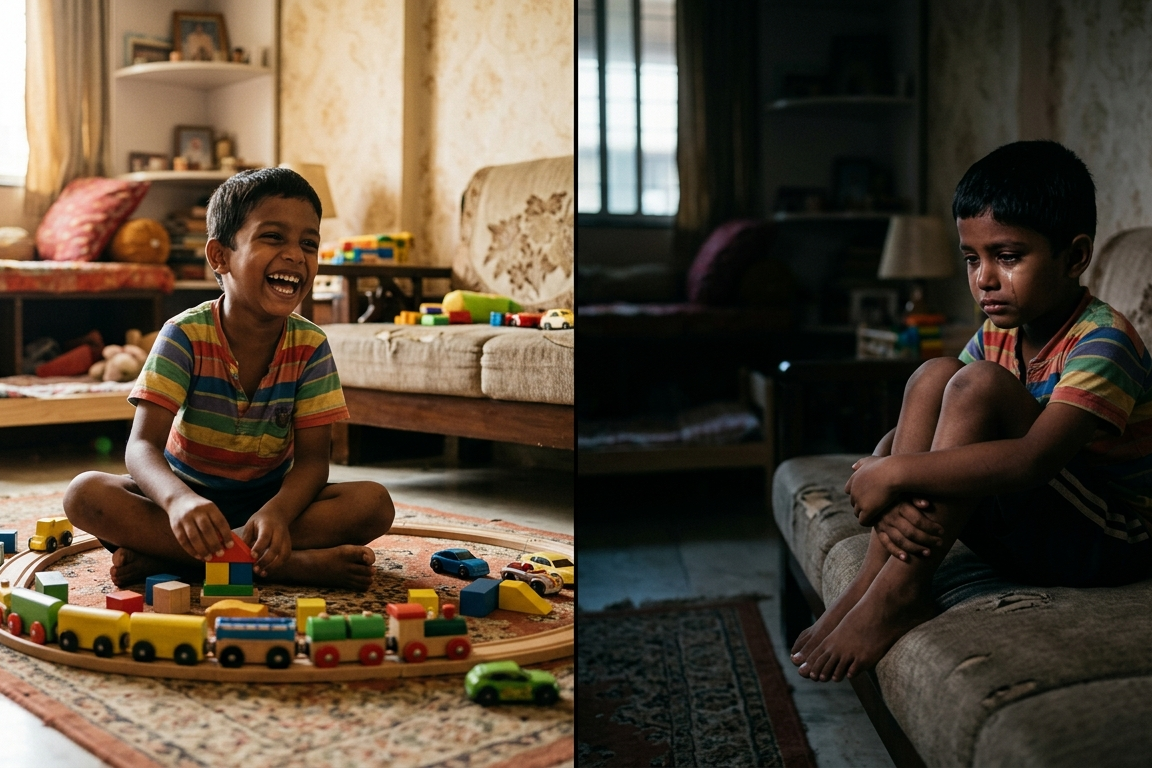
Mental health struggles in kids and teens happen more often than most parents think — but they’re also more treatable than people realize. One in seven children between 5 and 17 deals with a mental health condition. Most of them never get professional support, often because the signs get missed or brushed off as “just a phase.” It’s easy to hope things will work out on their own, but sometimes they don’t.
Kids aren’t just smaller adults. Their feelings, reactions, and the ways they show they’re hurting can look completely different than what you’d expect from grown-ups. That’s why it really helps to know what to look for. Whether you’re a parent with a nagging worry or a young person feeling lost, this guide gives you a place to start.
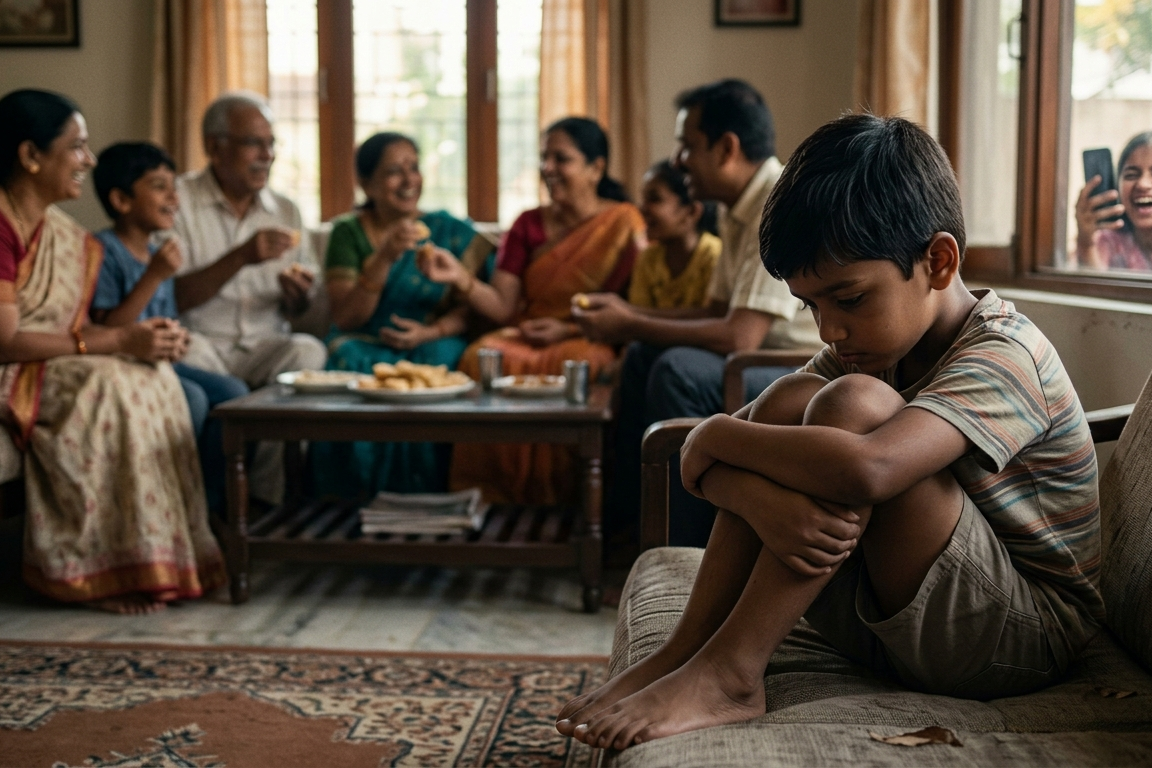
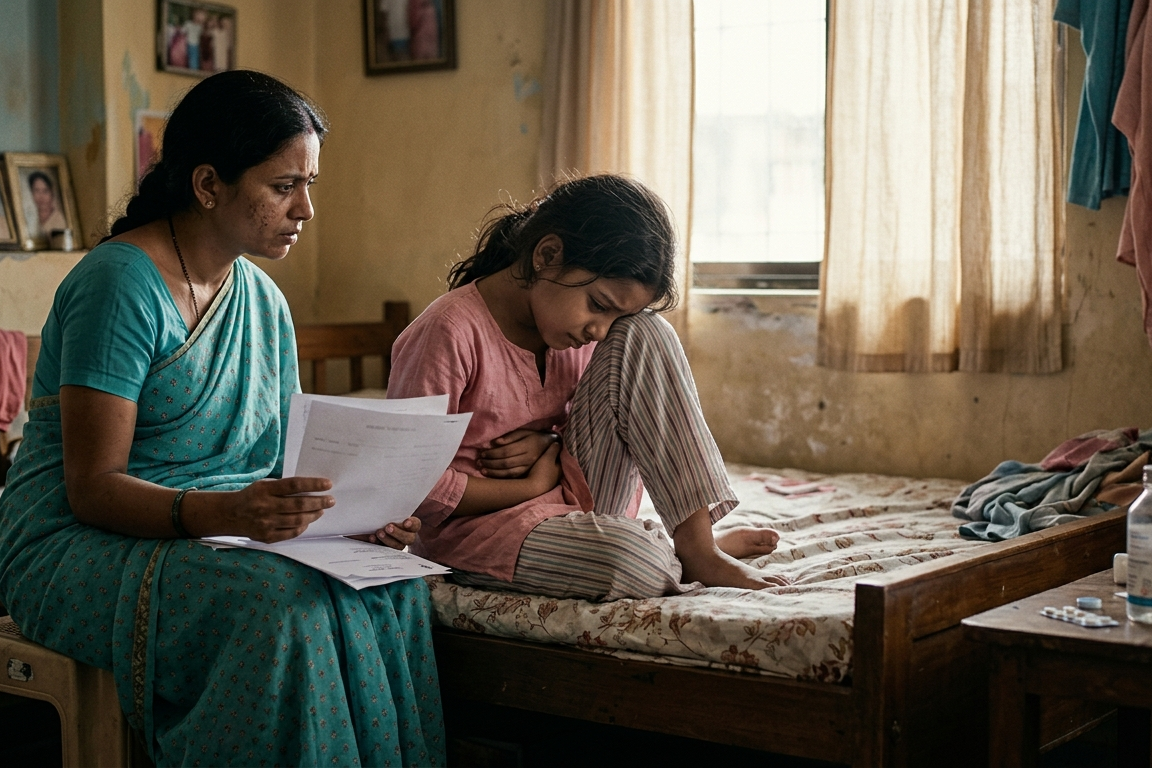
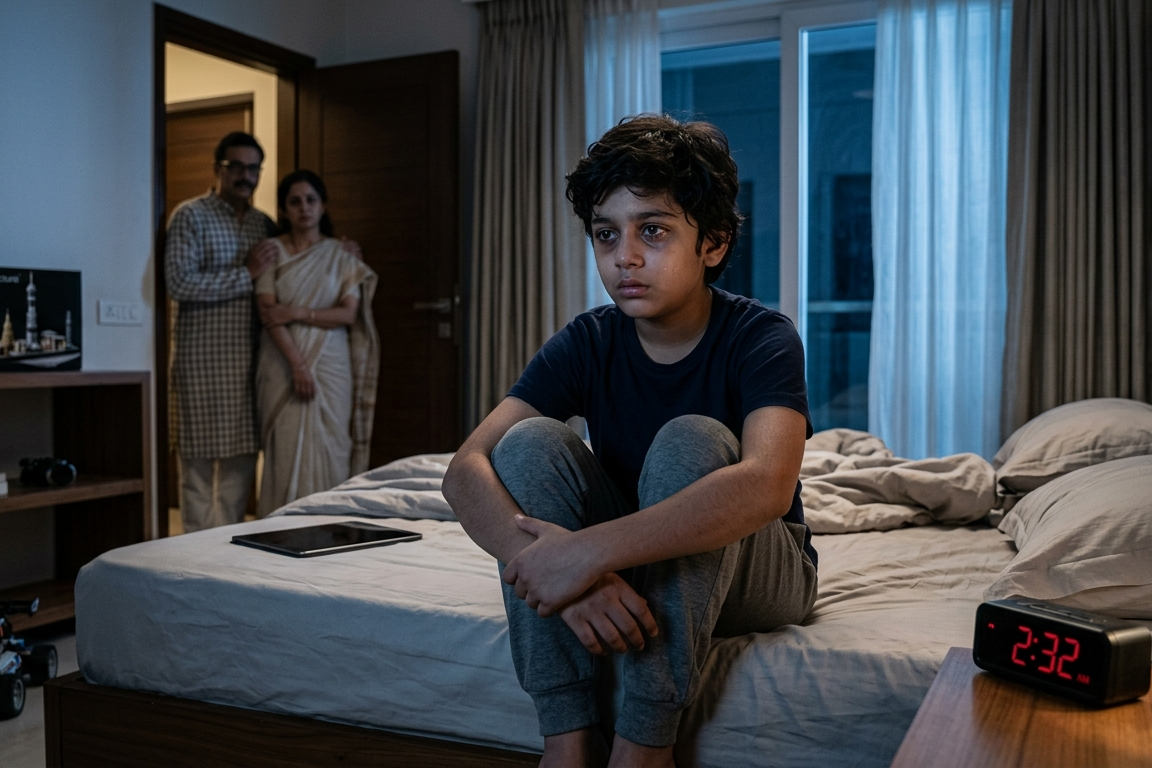
Kids rarely come right out and say they’re struggling. More often, you’ll see distress show up in their actions, weird aches, or how they relate to others. Here’s what to watch for:
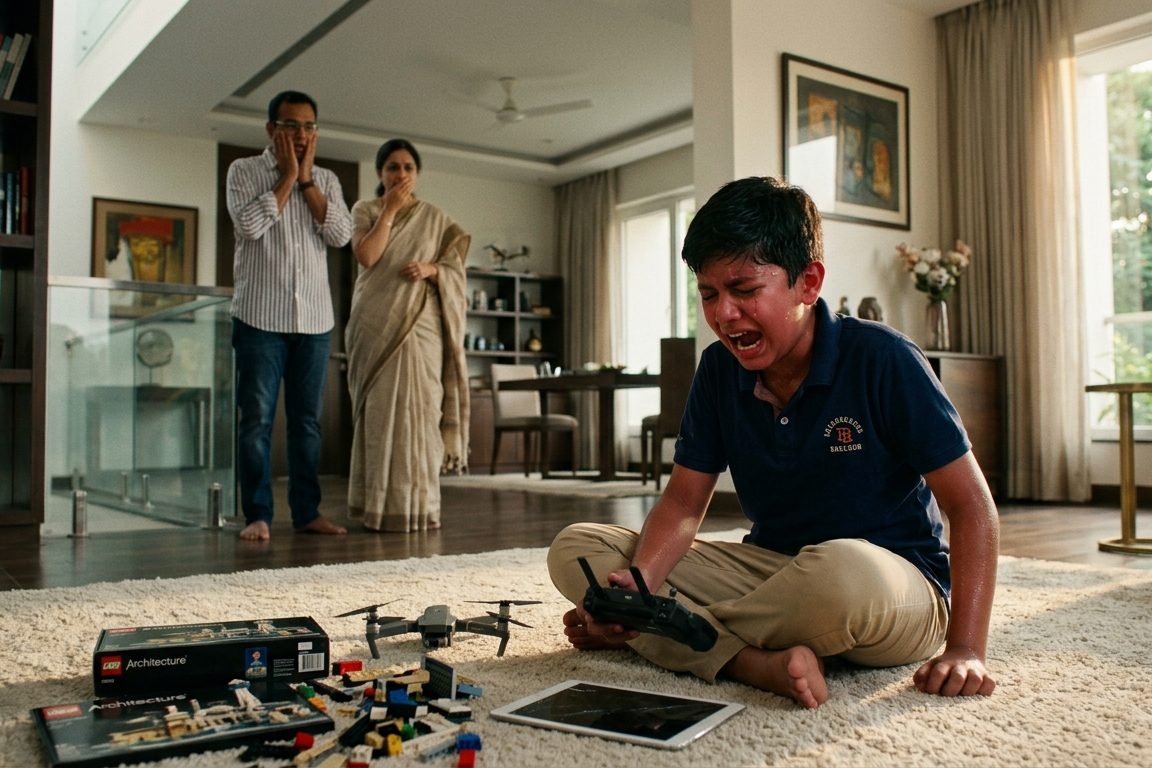
A sharp change in your child’s mood, personality, or habits that sticks around for a few weeks and just doesn’t seem like them.
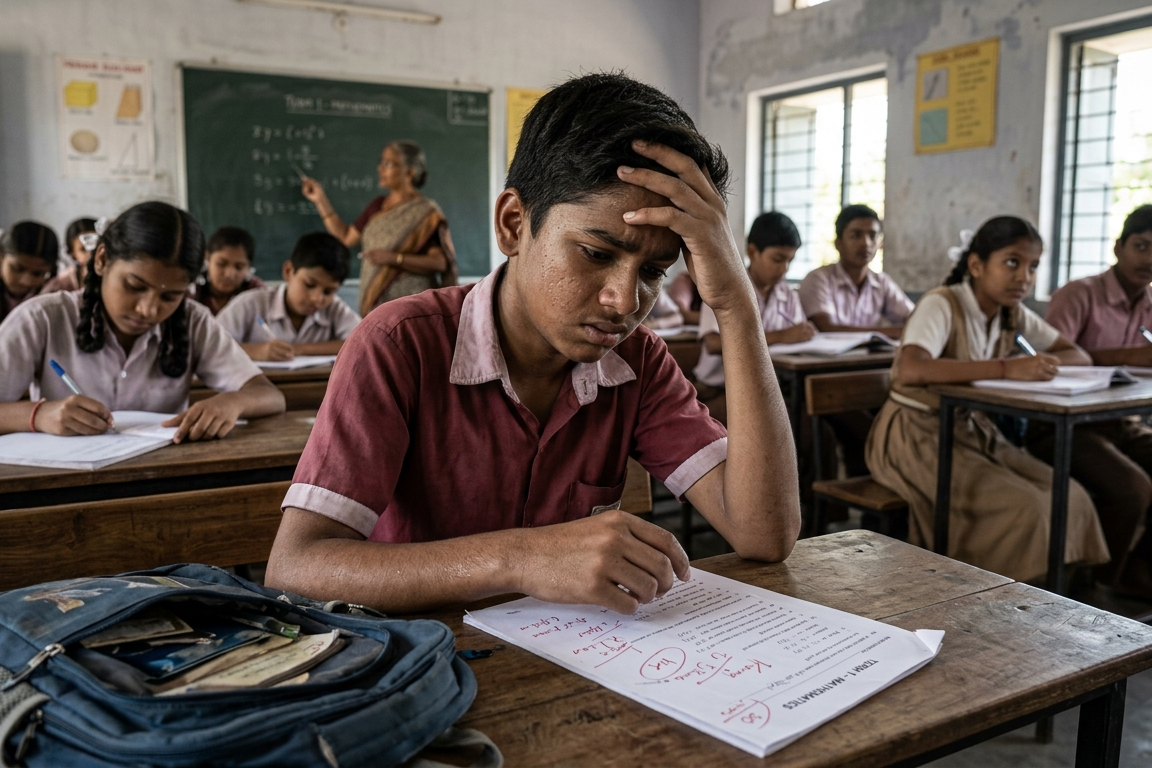
Big drop in grades, skipping school, or total lack of interest in learning can point to anxiety, depression, or bullying.
Kids don’t choose to struggle. Their behavior is always sending a message, even if they can’t say it out loud. If you stay curious and warm — instead of frustrated — you give them the best shot at opening up. You don’t need to have all the answers. Just be there.
If a child or teen ever says they want to hurt themselves, wishes they weren’t alive, or shows signs of self-harm — get professional help right away. This isn’t drama or attention-seeking. It’s real pain, and it needs urgent, compassionate care.
When a kid tells you something hard, it’s tempting to jump in with reassurance or solutions. But what they crave most is to be heard. Sitting with them, without trying to smooth things over right away, builds trust and keeps the conversation going.
Regular family meals, bedtimes, and simple rituals create a sense of safety. For anxious or upset kids, routine is like a safety net — helping everything else feel more doable.
Too much social media — especially for teens — often ties straight to anxiety, poor sleep, and low self-esteem. Make phone-free zones around meals and bedtime. It really does help.
Kids who hear emotions named and discussed openly at home learn to handle tough feelings better. Even just checking in — “what was hardest for you today?” — gives your child the words they need and builds real resilience.
If home is a place where your child feels okay falling apart, you’ve given them the best foundation for growing strong. Connection always comes first.
Many parents wait too long — hoping things will improve, worrying about the stigma, or doubting whether the problem is “bad enough” to get help. But when it comes to kids’ mental health, sooner is always better. Kids’ and teens’ brains are growing and adapting fast, so the right support now can make a massive difference down the line.
Getting help for your child isn’t a sign of failure — it’s one of the bravest and most loving things you’ll ever do. It shows you want them to grow and thrive.
Book a compassionate child and adolescent mental health consultation — because early support makes a lifetime of difference.
Confidential · Compassionate · Available Today
 Launch your Graphy