There are no items in your cart
Add More
Add More
| Item Details | Price | ||
|---|---|---|---|

Metabolic Health Guide
More than half a billion people around the world live with diabetes now. Millions more do not know they are in a pre-diabetic state. The condition starts slowly. There are signs, but they come on so slow people may not notice them in daily life. Many only find out they have the disease after it has been in their body for a long time.
The good news is that diabetes is one of the most well-known and manageable lasting conditions today. This is true for Type 1, Type 2, and gestational diabetes. With good advice, good habits, and the right support by a doctor, people can live full, active, and healthy lives with diabetes. Talking to a doctor early can make a big change for you.
Many people think that the first signs of diabetes are just tiredness, stress, or being older. But if you know what to watch for and take it to heart, you can really help your health for a long time.
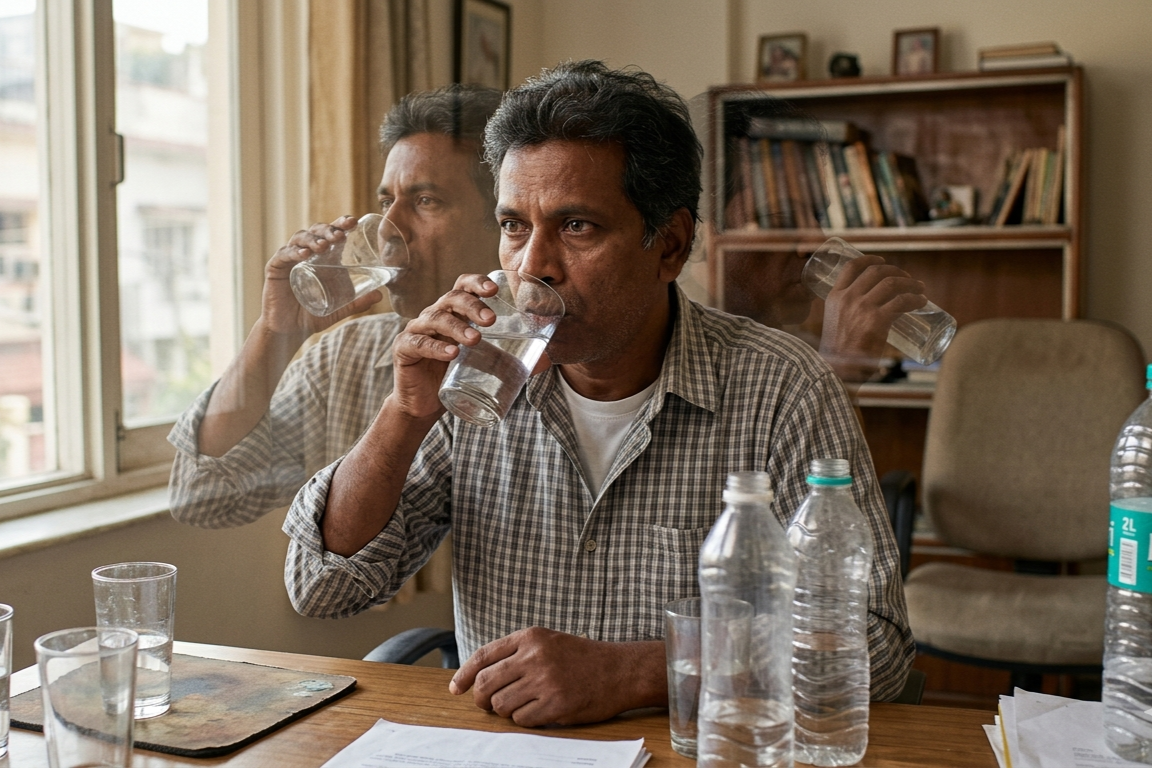
If you feel very thirsty a lot — even when you drink enough water all day — this may not be normal.
Deep and ongoing tiredness that does not go away even if you sleep well is caused by your cells not getting the glucose they need for energy.
Prediabetes — where blood sugar is elevated but not yet at diabetic levels — is largely reversible with the right lifestyle changes and guidance. Catching it at this stage gives you the greatest possible window to prevent or significantly delay the progression to Type 2 diabetes.
Extreme thirst that comes on fast, feeling confused, breathing quickly, breath that smells fruity, or passing out are signs you need emergency medical help right away. These can be signs of diabetic ketoacidosis (DKA). This is a very serious and dangerous health problem that needs fast treatment.
Eat more whole grains, vegetables, beans, lean proteins, and healthy fats. Cutting out foods with a lot of sugar and refined carbs matters most when it comes to blood sugar. Try to eat small meals often so you can stop big ups and downs in your blood sugar.
Taking a walk for 10 to 15 minutes after you eat can help lower blood sugar. When you move your muscles, they take in sugar from your blood. This means there is less work for your insulin, and after some time, it can help your body handle sugar better.
Tracking blood sugar helps you see what is going on in your body in real time. You can use a glucometer or a continuous glucose monitor. This gives you good and useful information about how food, activity, stress, and sleep can change your body. Knowing this can help you stop guessing and feel sure about what you need to do.😴
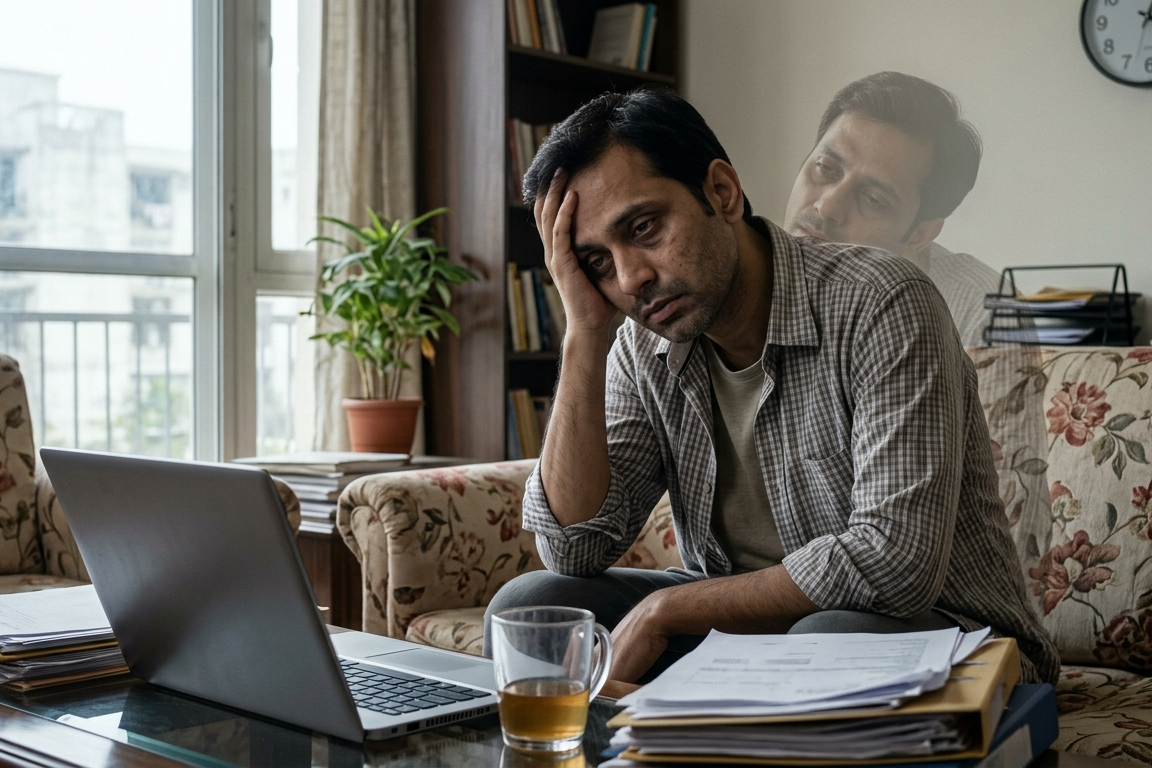
Chronic stress can make the blood sugar go up because the body lets out more cortisol and adrenaline. It helps to relax often. You can do this by walking, doing breathing exercises, spending time with people you trust, or just taking time to rest. These are not just nice things to do when you have diabetes. They are a key part of how you care for it.
Type 2 diabetes is not something you are stuck with forever. If you work at it and get the right help, you can control your blood sugar well. Many people can get their blood sugar to levels just like those who do not have the condition.
Diabetes is a health problem that is best managed early with help from a doctor. If you find out you have it, think you might get it, or have tried to handle it on your own for years, meeting with a specialist can give you the help you need. This kind of advice is personal and better than just looking things up or trying to manage by yourself.
When you manage diabetes well, you can live with it. When you do not manage diabetes, it can hurt your heart, kidneys, eyes, and nerves over time. Support makes all the change.
Book a diabetes consultation and get a clear, personalised plan for lasting health.
Confidential · Compassionate · Available Today
 Launch your Graphy