There are no items in your cart
Add More
Add More
| Item Details | Price | ||
|---|---|---|---|

Cardiac Health Guide
Your heart doesn’t take a break. It works nonstop, and honestly, it talks to you if you know how to listen.
The problem is, most of us brush off the messages until something dramatic happens—and that’s usually too late. The truth? Your heart almost always gives you warning signs before things get serious. If you learn how to spot them, it can truly make a life-or-death difference.
Maybe you feel random chest discomfort sometimes, get tired for no clear reason, or you know heart problems run in your family. Maybe you’re just worried and want to be smart about your health. This guide is for you. Don’t think heart health is only for people who’ve already had a scare—it’s just as important if you want to avoid one in the first place.
Heart symptoms aren’t always obvious. A lot of them feel more like day-to-day stuff—stress, heartburn, or just being tired. That’s why most people ignore them, but here’s what needs your attention:
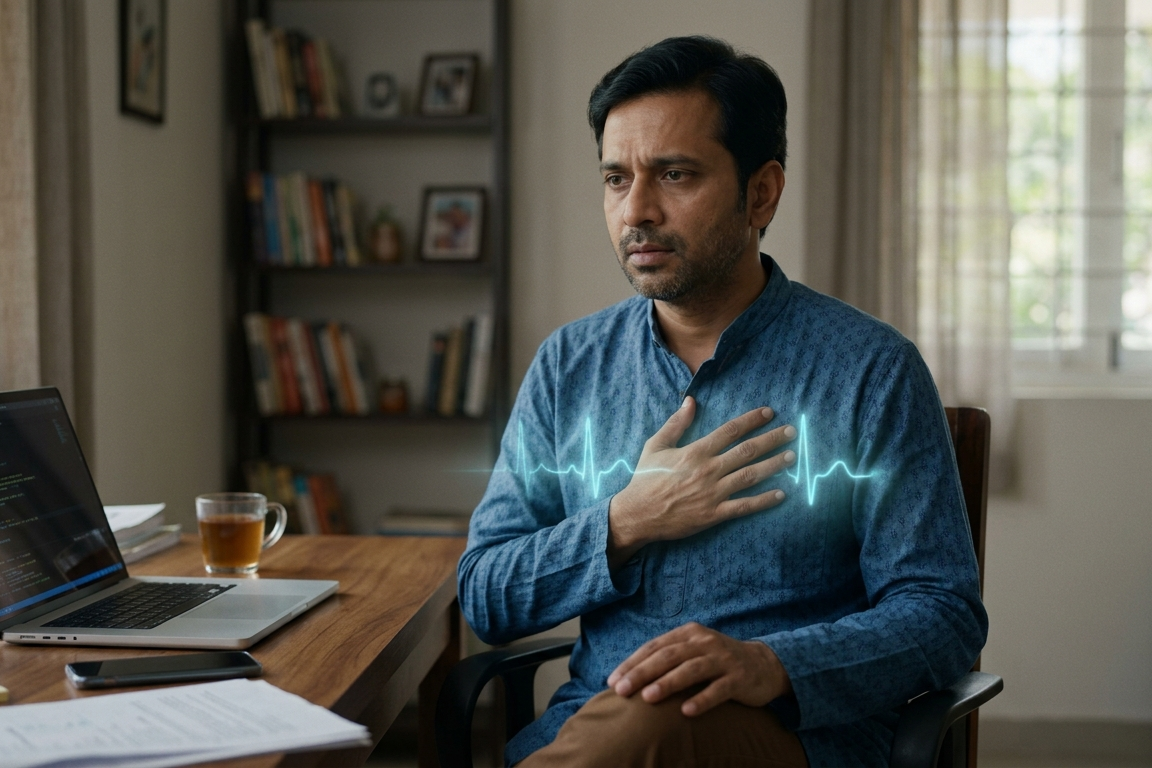
Any feeling of squeezing, heaviness, or tightness in your chest—even if it’s mild, or comes and goes.
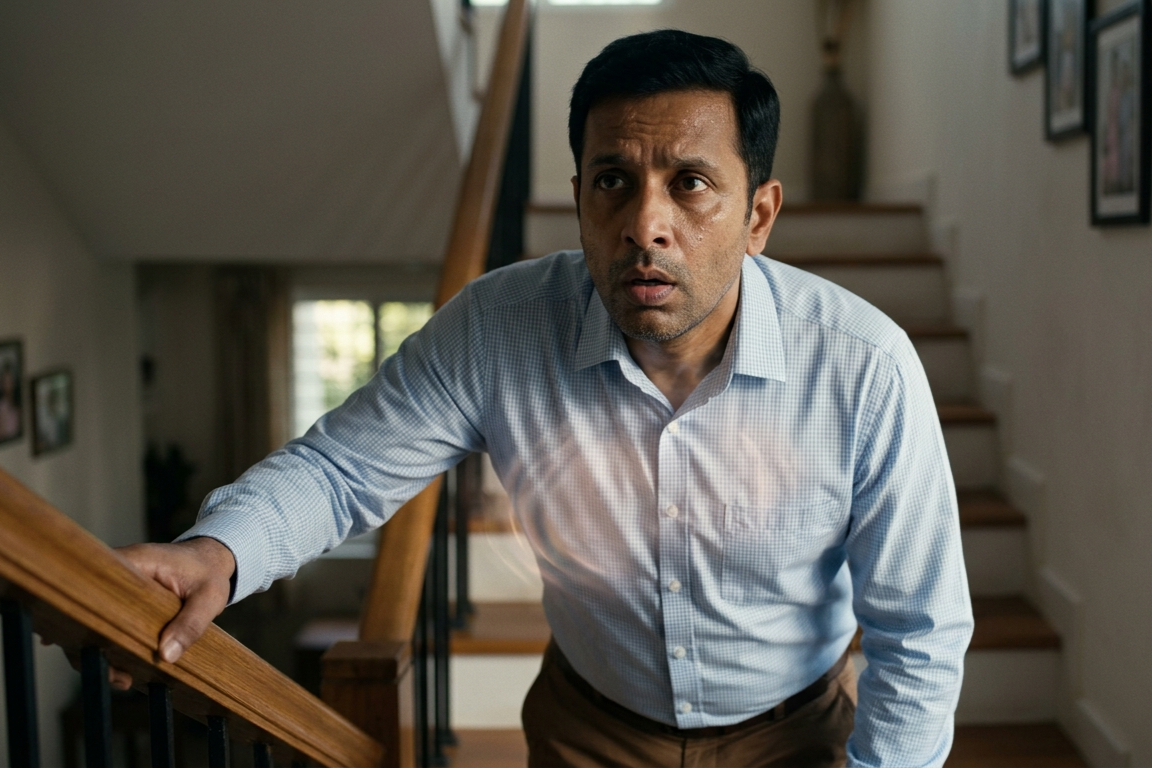
Getting winded walking up stairs, with light activity, or out of nowhere while you’re resting.
Feeling tired all the time, and sleep doesn’t help. For women, this is often the biggest missed warning sign.
A heartbeat that races, flutters, skips, or just feels off—especially with no clear reason.
Sudden dizzy spells, lightheadedness, or briefly blacking out—don’t just chalk this up to nothing.
Aches spreading to your arm, jaw, neck, back, or upper stomach. Sometimes the heart sends its warnings somewhere else.
If you’re having chest pain, difficulty breathing, or pain going to your arm or jaw right now, call emergency services. Don’t try to wait it out—these aren’t symptoms to ignore.
Yes, medication and doctors are important, but the truth is, your daily routines make a huge difference. This isn’t just “wellness talk”—real research backs these up:
Focus on veggies, whole grains, healthy fats, and lean protein. Cut back on processed stuff and extra salt. You don’t have to overhaul everything overnight—even small changes made consistently really pay off.
You don’t need to become a gym rat. Just half an hour of brisk walking, five times a week, helps your heart get stronger, lowers blood pressure, and improves blood flow.
Ongoing stress isn’t just exhausting—it actually raises blood pressure and triggers inflammation. Find what works for you, like meditation, deep breathing, or simply getting together with friends. It really makes a measurable difference.
If you smoke, heart risk climbs fast. The good part: quit, and your risk falls by half in just a year. There’s support out there—no one has to do it solo.
Keep tabs on your blood pressure, cholesterol, and blood sugar. Most heart problems don’t start with visible symptoms—these numbers warn you so you can act early. Regular check-ups aren’t a formality, they’re vital.
Keep tabs on your blood pressure, cholesterol, and blood sugar. Most heart problems don’t start with visible symptoms—these numbers warn you so you can act early. Regular check-ups aren’t a formality, they’re vital.
People often think you only call a cardiologist after a heart attack or some emergency. That’s not true—the smart move is to check in before anything blows up. If you have high blood pressure, diabetes, extra weight, a family history of heart disease, or you’re over 40 and haven’t had a heart check yet, don’t wait any longer.
A cardiac consult covers the basics: going over your symptoms, health history, a few lab tests, an ECG, and sometimes an echo or stress test. They’re not painful, and you walk out knowing so much more about your heart’s real condition.
Catching a heart issue early doesn't just extend life — it preserves quality of life. The difference between early and late intervention is enormous.
Don’t wait for a dramatic warning. Those nagging, weird symptoms that keep coming back are your body’s way of waving a flag. One doctor’s visit can give you answers, calm your nerves, and a real plan, all of which are worth a lot more than just hoping it’s nothing.
Book a cardiac consultation today — early attention makes all the difference.
Confidential · Compassionate · Available Today
 Launch your Graphy