There are no items in your cart
Add More
Add More
| Item Details | Price | ||
|---|---|---|---|

Respiratory Health Guide
Every breath you take is your lungs doing their quiet, vital work — here's how to make sure they stay that way.
Your lungs are working behind the scenes every day of your life, ensuring that you’re able to breathe without even giving it a second thought. It’s very easy to take your lungs for granted, especially until your breathing becomes a problem. When your breathing becomes a problem, your mind focuses on it exclusively. The average person breathes 20,000 times a day, and most of them don’t even realize it. But if your respiratory system or your lungs are acting up, then your breathing becomes your primary focus. Respiratory problems can vary from minor to severe, but nearly all of them are easier to deal with if you catch them early. Have you been coughing for a while, or have you experienced shortness of breath while performing activities that used to be no problem for you? This guide will help you understand your respiratory problems and what you can do to help yourself.
Sometimes, your respiratory symptoms may not manifest all of a sudden. It’s very easy to attribute your respiratory problems to a number of reasons, such as “I have a cough, so I guess I’m not well,” or “I’m probably out of shape,” or “I probably have allergies.” But your respiratory system needs your attention if you’re exhibiting any of the following signs and symptoms:
If your cough lasts for more than three weeks, then it’s time for you to seek medical help.
If you’re hearing a whistling sound while you’re breathing, especially if you’re not sick, then your airways are probably irritated or constricted.
"Any pressure, heaviness, or tightness, especially with deep breathing, is cause for concern."
Bronchitis, chest infections, or pneumonia with frequent recurrence despite treatment is something to watch out for.
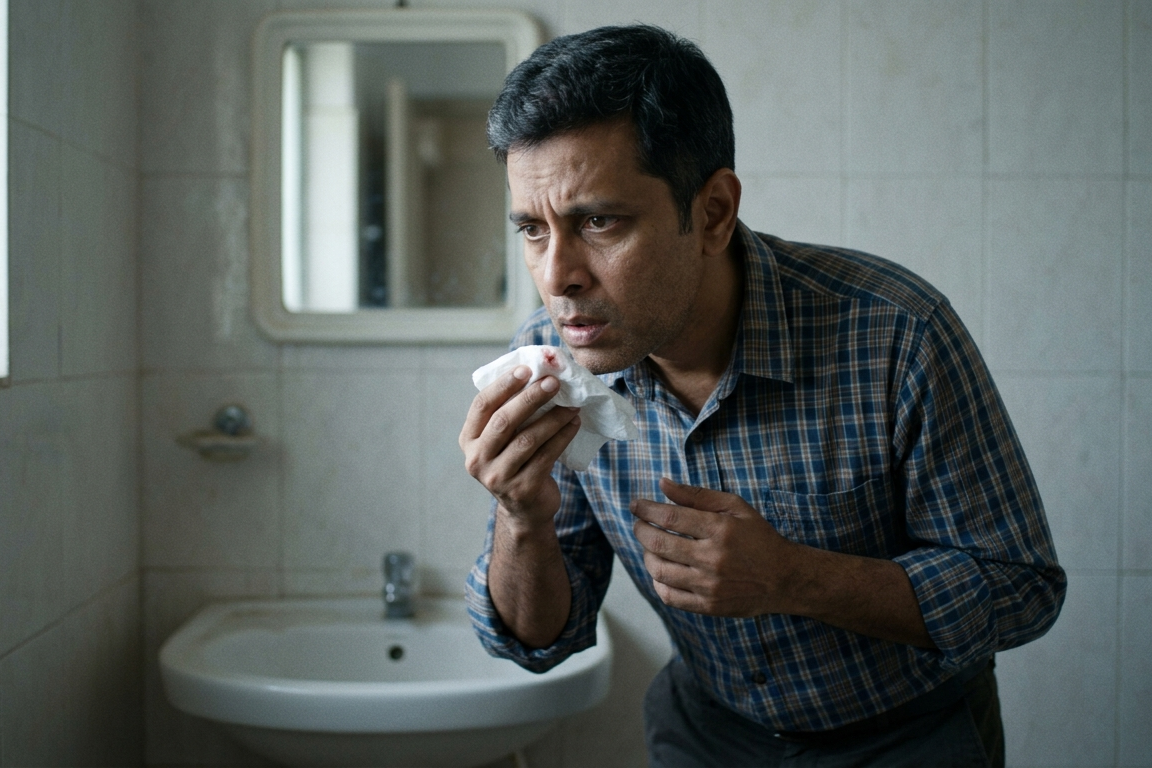
The presence of blood in your mucus or phlegm, no matter how small, is something to see a doctor for right away.
If you can’t breathe in, your lips are blue, or you can’t speak in sentences, call 911. These are medical emergencies.
Breathing from your belly instead of your chest can really help. It increases oxygen intake and can make it easier to breathe. Try ten deep belly breaths every day.
Increasing your aerobic activities such as walking, swimming, or biking can really help your lungs. These exercises can improve your lung capacity and your body's ability to utilize oxygen.
Dust mites, molds, pet dander, and chemical sprays are some of the common indoor irritants. Try to open your windows, avoid sprays, and avoid strong scents.
This maintains the mucus in your lungs at the appropriate consistency, which enables your body to fight off germs and remove irritants more easily.
Smoking, whether it is you or someone else, is a major cause of lung problems. Reducing your exposure can help slow down damage. Quitting, no matter how old you are, can really help. In some cases, quitting can improve health in as little as six months.
The truth is, your lungs are more capable of healing than you think. With good habits and the appropriate medical care, most people are capable of restoring their lung health.
Many respiratory conditions, including asthma, COPD, pulmonary fibrosis, sleep apnea, and chronic bronchitis, are more easily managed if detected early. However, most people do not seek medical care until months or even years later, largely due to the gradual onset of the symptoms or their mild nature.
So, if your cough has been going on for three weeks now, listen to your lungs; they are trying to tell you something. Your lungs are important, so listen to them.
If you are a smoker, if you are exposed to dust and chemicals at work, if your parents or relatives are suffering from lung problems, listen to your lungs; they are trying to tell you something.
Book a respiratory consultation and get a clear picture of your lung health today.
Confidential · Compassionate · Available Today
 Launch your Graphy