There are no items in your cart
Add More
Add More
| Item Details | Price | ||
|---|---|---|---|

Relationships & Wellbeing Guide
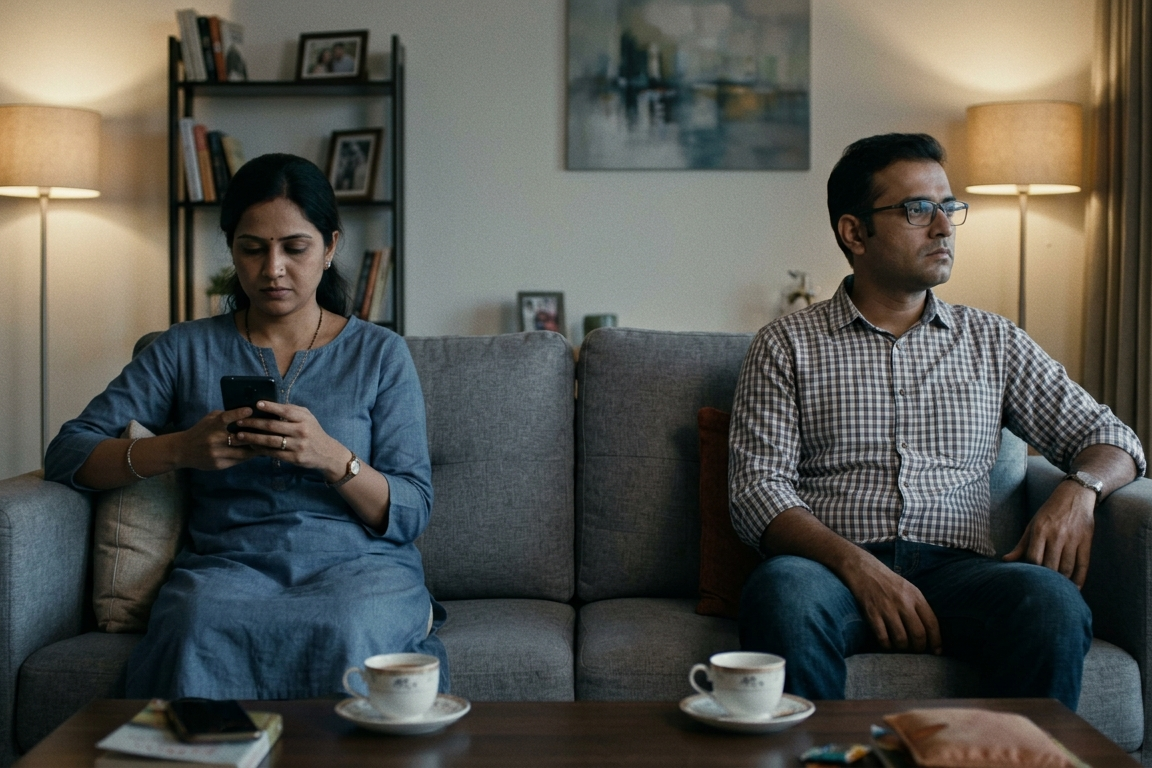
No partnership glides along without problems. The daily grind, old hurts, growing apart, and even just not saying what you really want—all of this builds up, slowly wearing away at what used to feel strong. Sometimes it’s just a small misunderstanding at first, but left alone, those little things turn into stuck patterns that seem impossible to break on your own.
There’s still way too much stigma around relationship counseling. People think getting help means they failed, but that’s just not true. Couples who reach out early, before things blow up, usually make bigger changes. But even if it’s late, it’s not too late. Whether you’re facing something huge or just notice the spark has faded, a good counselor gives you both the structure and support you need to reconnect and move forward.
Relationship trouble doesn’t always hit all at once. It sneaks up slowly and starts to feel normal. Here’s what to watch out for:
You keep having the same fight. Nothing changes, and no one feels heard. When you’re stuck like this, it often means there’s something deeper going on.
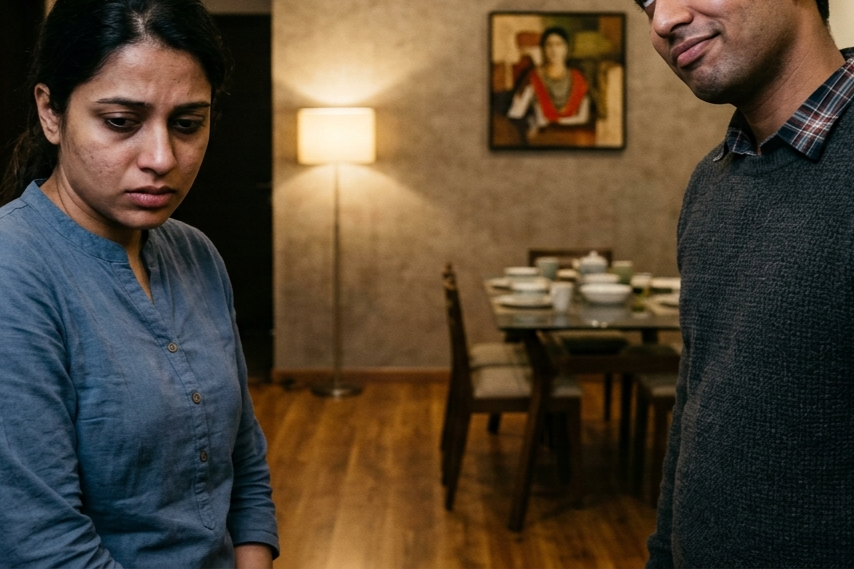
Arguments get personal—name-calling, disrespect, rolling your eyes. When things move from the issue to the person, your relationship is under real pressure.
The moment you notice these patterns isn’t hopelessness—it’s the first honest step to care for what matters. Plenty of couples who felt totally stuck found that a handful of counseling sessions really turned things around. Problems that felt huge start to shift when both people finally feel supported.
If your relationship has emotional, physical, or psychological abuse, reach out for individual help before trying counseling as a couple. Your safety comes first—sometimes that means private support, not joint sessions. It’s essential, not optional.
Most arguments go nowhere because both people are just waiting for a turn to talk. Try reflective listening—repeat what you heard before answering. It sounds simple, but it helps you both feel understood and cools down conflict.
Life gets busy and eats away at your connection. Set aside regular, phone-free time—an hour a week is enough. It doesn’t have to be fancy; it just has to be regular and real.
No one can read your mind. Most resentment comes from things left unsaid, not on purpose, just missed. Swap “You never…” for “I need…”—it completely changes the tone and makes things easier to fix.
Every couple argues. What matters is how you recover. A real apology, acknowledgment, or just a caring touch after a fight stops hurt from turning into distance.
Strong relationships don’t avoid hard times—they’re the ones where both people keep trying and stay in it together, even when it gets rough.
One thing couples say all the time when they finally come to counseling is, “Why didn’t we do this sooner?” Too many people wait until the crisis hits, thinking therapy is a last resort. But the truth is, coming in before the roof caves in helps the most. If you sense the gap growing, don’t wait.
Asking for support isn’t failure. It’s actually respecting what matters most to you both.
Book a compassionate, confidential consultation and take the first step toward the relationship you both deserve.
Confidential · Compassionate · Available Today
 Launch your Graphy