There are no items in your cart
Add More
Add More
| Item Details | Price | ||
|---|---|---|---|

Mental Wellness Guide
What happened to you is real. The way ahead is also real. When you understand this, healing can start.
Trauma is not just about the event itself. It's also about what you are left with after. The trauma may be because of just one thing that happened or a period full of hard times. The experience can change the way you think and feel. It can also change how you act in your life. Post-Traumatic Stress Disorder (PTSD) is a well-known response to trauma. Many people around the world deal with this. It touches people of all types and backgrounds.
You do not have to be in the army to get PTSD. Bad events like accidents, abuse, losing a loved one, being ignored as a child, or seeing something hard to watch can cause it too. No matter what happened to you, you should get help and support.
Trauma responses do not always show up in the way we see in movies. They can be hard to notice, confusing, and easy for people to ignore. Here are some signs that your mind and body may still hold something you have not worked through:
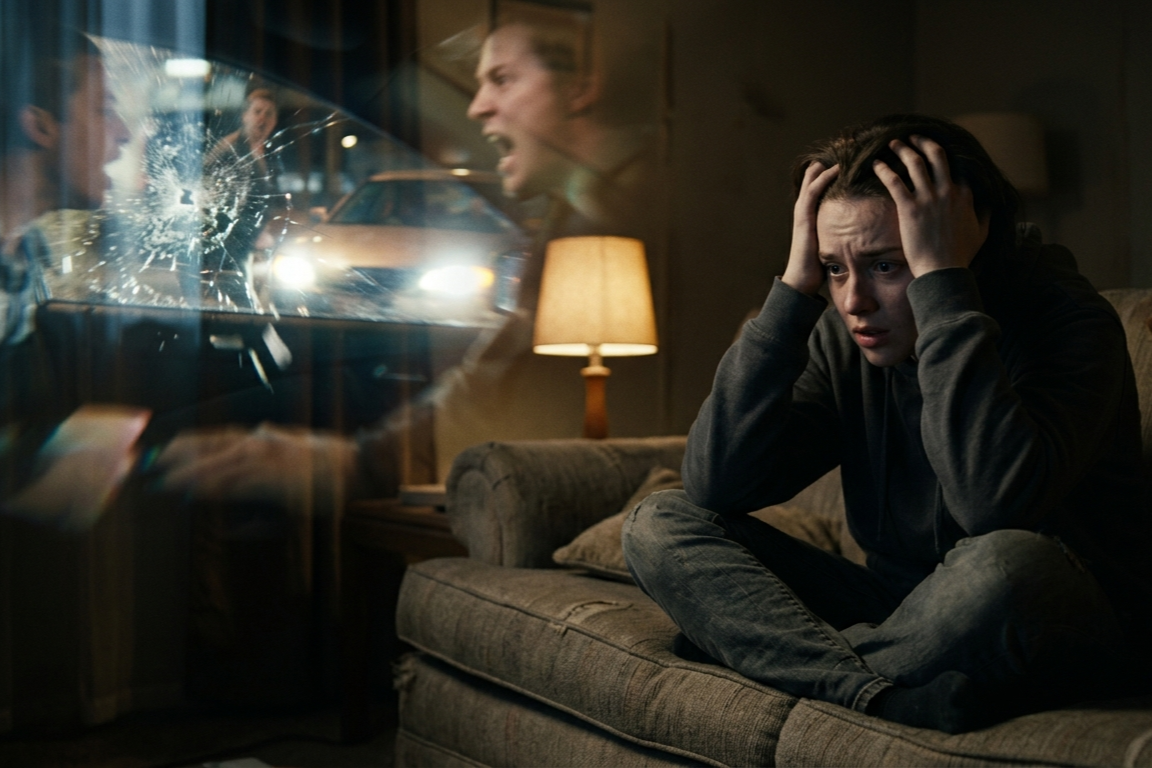
Bright, unwanted memories of the event that make you feel like it is happening all over again right now.
Disturbing dreams, finding it hard to sleep, or waking up suddenly without knowing why
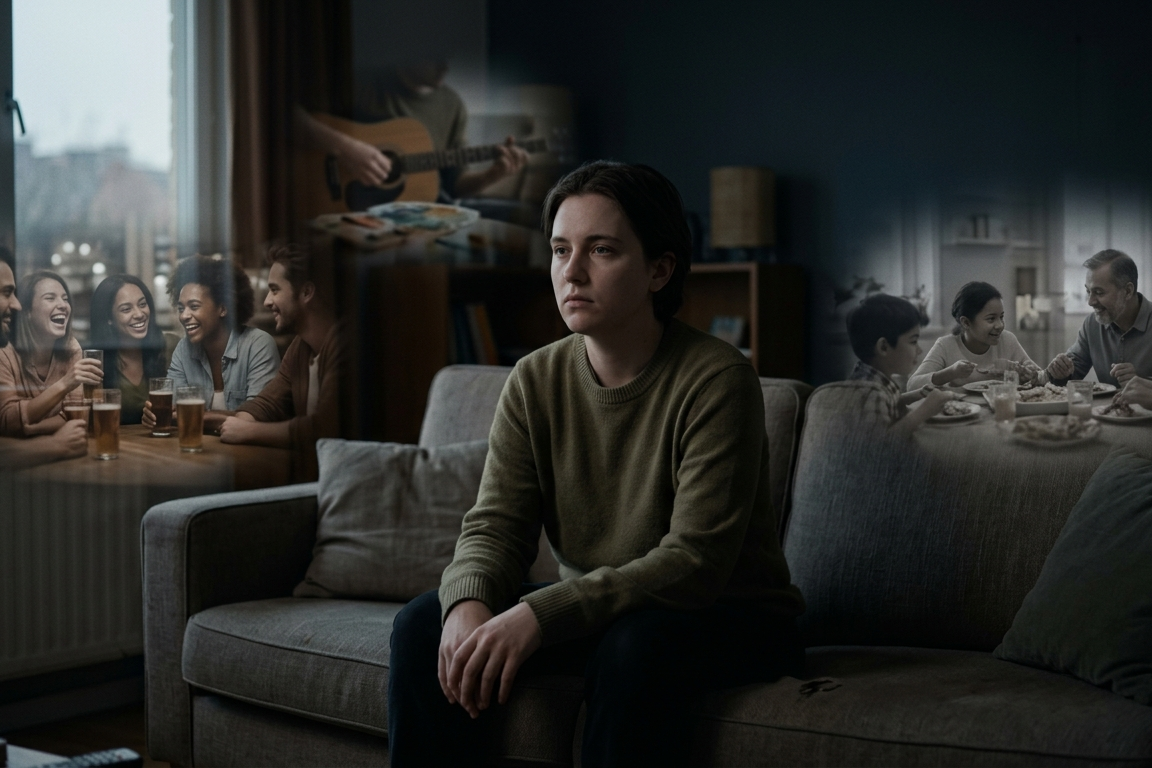
Feeling detached, blank, or away from people and things that you once liked.
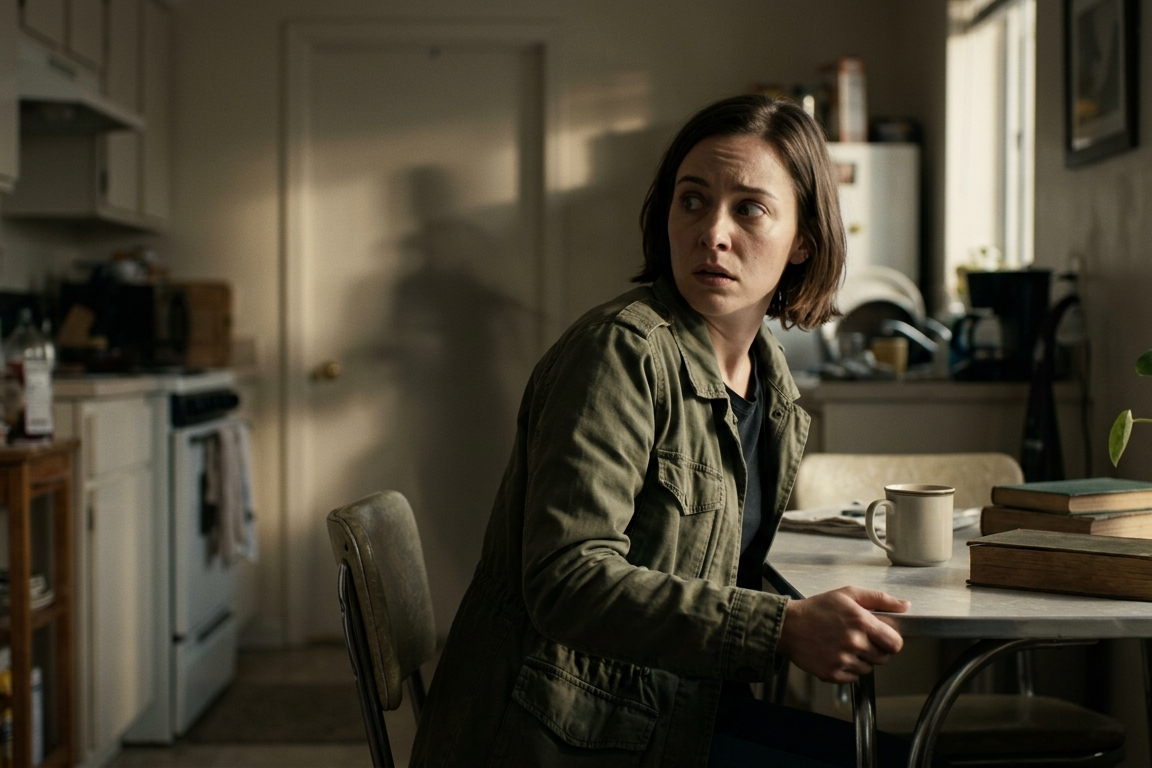
You may always feel tense. Small things make you jump. You look around for danger, even when you are safe.
Staying away from places, people, or talks that bring up the trauma.
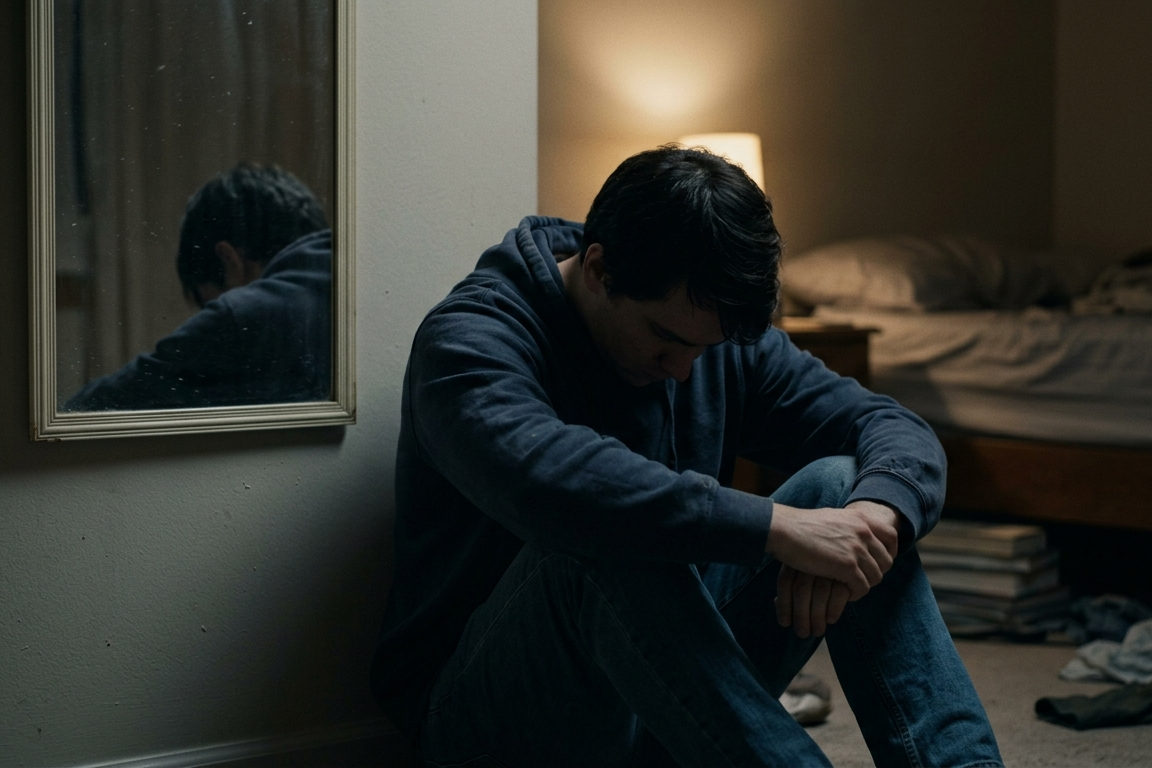
Blaming yourself for what happened, or thinking that something inside you is broken for good
These aren't signs of weakness — Instead, they show that your body has tried to keep you safe. With the right support, your nervous system can learn how to calm down again.
While going to a therapist can be needed for big trauma healing, there are some grounding and coping tools that can really help you feel more safe each day.
The 5-4-3-2-1 technique — name 5 things you see, 4 you can touch, 3 you hear — brings you back to the present moment quickly and gently.
Box breathing (breathe in for 4, hold for 4, breathe out for 4, hold for 4) helps calm the fight-or-flight response that can stay active after trauma.
Predictable routines — a morning walk, a consistent bedtime, a familiar playlist — help a traumatised nervous system feel stable and safe.
Talking about what you go through — in a way that is kind to yourself — can help you deal with feelings that are hard to say.
Spending time with people who are calm and you can trust will, little by little, help you get back the feeling of safety that trauma takes away. You do not have to say anything—you can just be with them.
Coping tools can help. But when trauma stays in the body for a long time, it may need more than self-help steps. If your signs do not stop, make life hard, or get worse, your mind is asking for more help. To listen to this shows you are strong, not giving up.
Evidence-based therapies such as EMDR (Eye Movement Desensitisation and Reprocessing), Trauma-Focused CBT, and Somatic therapy have helped many people work through hard and painful times. A trained professional will be with you at every step — no pressure, no blame, and no need to hurry.
You do not need to keep handling things by yourself. You should be able to really heal. The right therapist can help you get there.
If your trauma involves thoughts of self-harm or you feel unsafe, please reach out immediately. You matter, and support is available right now.
Speak with a trauma-informed professional and take the first step toward real healing.
Confidential · Compassionate · Available Today
 Launch your Graphy